


I am back home in Ontario after three months in the Loire Valley. While Loire Cabernet Franc remains closest to my heart and a central part of my work, when I am at home, I really have the chance to explore the world of Cabernet Franc beyond its ancestral home. About 40% of the bottles in my personal Cabernet Franc cellar are from outside the Loire, from familiar places like New York, Argentina, Italy, and Canada, but also places a bit more off the beaten path like Slovenia, Greece, Bolivia, and New Zealand. My monthly Tasting Diaries gives me an excuse to taste more broadly and introduce readers to something new or unexpected, while always featuring a healthy dose of Loire Cabernet Franc.
So, here are some of the bottles I opened in recent weeks.
Terreno Alto, 2021 Cabernet Franc, Los Chacayes, Uco Valley, Mendoza, Argentina* (13.7% abv., SRP $44.95CAD, Ontario only): Terreno Alto is a micro estate founded in 2018 by Toronto native Myles Cook, who spent some time working in the financial services sector before embarking on a life as grape grower and winemaker. When I met Myles for the first time earlier this year, he told me that Cabernet Franc was central to his dream of making wine, and he and his father couldn’t find what they were looking for vineyard-wise in the Niagara Peninsula within their budget, so they headed to Argentina to establish their estate. They farm two acres of Cabernet Franc (and one acre of Malbec) at 1,050m above sea level in the Los Chacayes sub-zone in the Tunuyán department of the Uco Valley, and Myles makes a red and rosé from his Cabernet Franc.


The 2021 Cabernet Franc (only about 50 cases made) features a soupçon of 10% Malbec and is fermented in stainless steel and aged in second- and third-use French oak for 16 months. A fragrant, floral nose (lilac, freesia) with ripe but vibrant fruits (cassis, blackcurrant juice) and balanced herbaceous undertones (garrigue, wild thyme and oregano, eucalyptus). The nose leans slightly more herbal than the palate, which is generously fruit-forward and layered with delicate spice undertones (cardamom, green and black peppercorn, coriander seed). It shows all the benchmarks of delicious Argentinian Cabernet Franc: a plush, concentrated and well-structured palate, with ripe, velour-like tannins and refreshing acidity. Very pretty. Elegant and restrained, with plenty of drinkability. Their generous, fruit-forward but varietally expressive Cabernet Franc Rosé ($29.95CAD) is also worth seeking out. Sign up for release updates on the winery’s website.
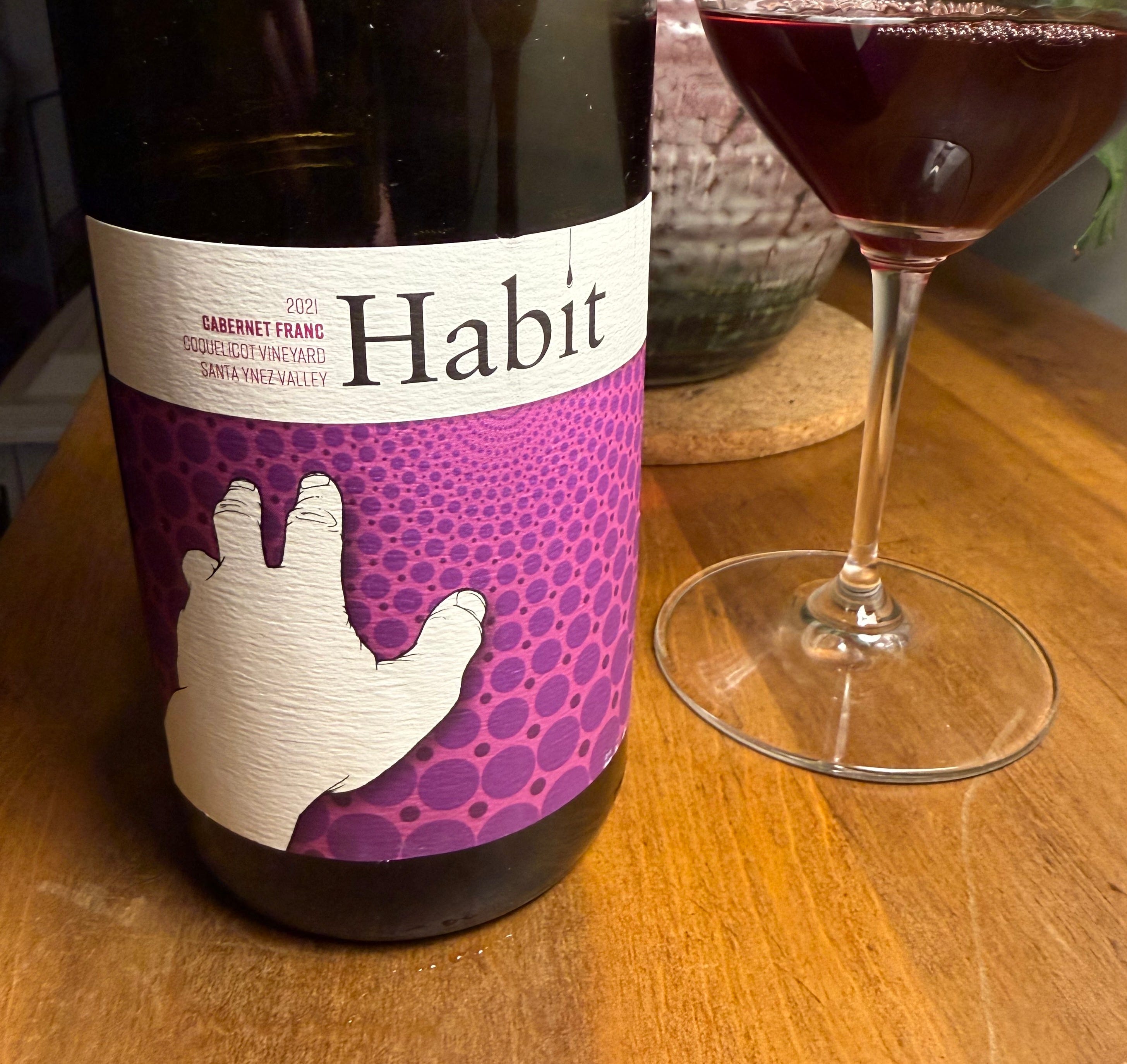
Habit Wine Co., 2021 Cabernet Franc, Coquelicot Vineyard, Santa Ynez Valley, Santa Barbara County, California, USA (12.9% abv., SRP $30USD): Grown on gravelly sandy-loam in the Los Olivos District AVA, the Coquelicot Vineyard is one of the Santa Ynez Valley's best-known sites for Cabernet Franc thanks to its Goldilocks growing conditions: not as warm during the day as Happy Canyon to the east, and not as cool as AVAs closer to the Pacific. Fermented 100% whole cluster with brief (6 to 8 months) aging in neutral French oak. The current release from the winery is 2024, so my 2021 has been in my cellar for a couple of years now, and I was pleased to see how alive and vibrant it was. Fresh, lifted, and peppery with high-toned, crunchy red fruit and well-balanced herbal and floral undertones (soft herbs, fresh shishito pepper, tarragon/anise, lily of the valley). The palate is sprightly and energetic, with juicy acidity and very soft, fine, cotton-like tannins, and also decidedly much more spice-forward with added notes of green, white and pink peppercorns, and ground ginger. Pure, spicy, lightweight but flavourful, with good mid-palate concentration. While some of that initial bright, youthful fruit has faded, I still really enjoyed this wine, and appreciated the added layers that come with age. This is a fun, juicy, approachable Cabernet Franc.
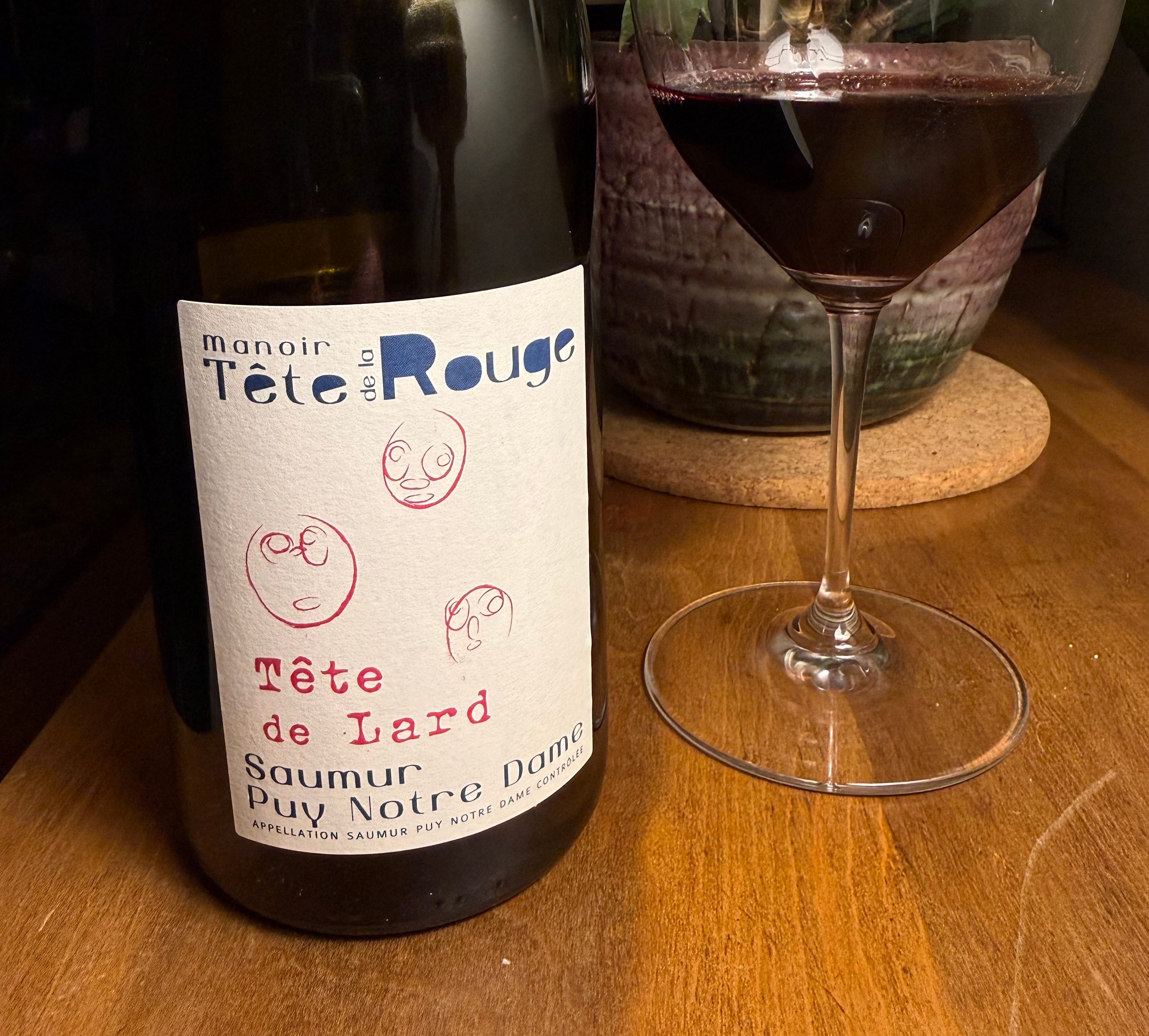
Manoir de la Tête Rouge, 2020 Saumur Puy-Notre-Dame “Tête de Lard” (13.5% abv., SRP 16.50EUR/$35USD): From a parcel on the southeast slope of the village of Le Puy-Notre-Dame, 30-year-old vines grown on shallow, silty-loam soils over craie verte (Middle Turonian tuffeau). Fermented in concrete and aged in older (10 to 15 years old) French oak barriques. The French expression “tête de lard” refers to someone who is stubborn, hard-headed, or strong-willed, and the domaine thought this name was fitting for a wine that is very expressive, but tends to have firmer, stricter tannins when young. Ripe, sun-drenched dark fruit (black cherry, blackcurrant, plum) with balanced warm-vintage herbal aromas (mint, rosemary, fresh and dried bay leaf, marjoram). The nose shows a lot of depth and concentration upfront, which is confirmed on the palate with added layers of balsamic, Niçoise olive, dusty earth, allspice, clove and juniper. Richly textured, with firm, sinewy tannins, the wine is fleshy and generous, with a long, spice-forward finish. This is a very structured, sturdy, full-bodied Cabernet Franc that likely needs a bit more time (3+ years) for those tannins to be tamed.
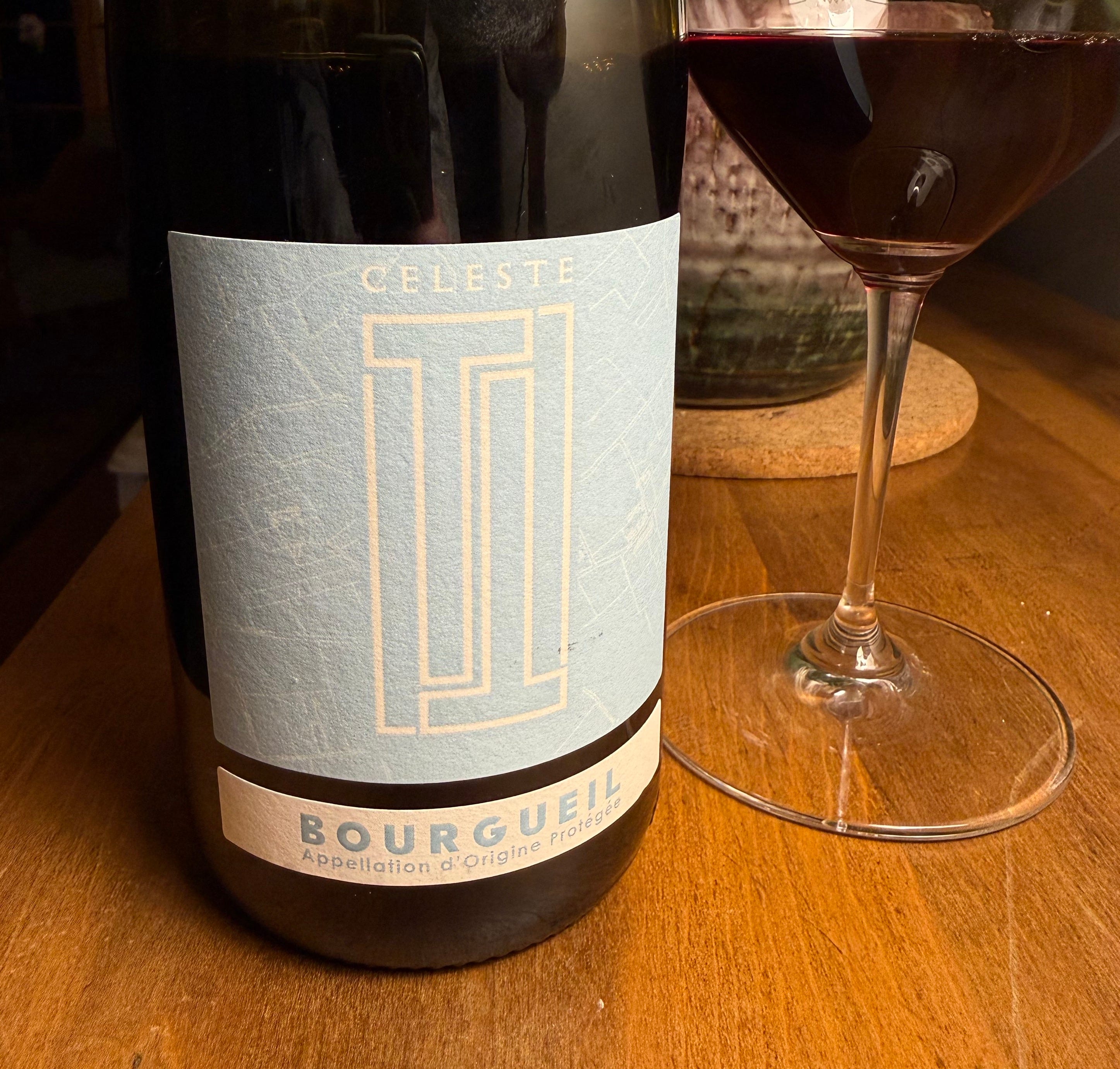
Domaine du Petit Bondieu (Thomas Pichet), 2023 Bourgueil “Céleste” (12.5% abv., SRP 11EUR): From one of THE domaines on the rise in Bourgueil, Thomas Pichet’s Céleste is the estate’s early-drinking expression of Cabernet Franc and consistently one of my favourites in this style from the region. From a selection of lieux-dits in the northeast end of Restigné on a plateau of sandy-flint soils, fermented and aged in cement, with 15 days maceration. Fresh, dark-fruited but more sweet-tart fruits (mulberry, wild black raspberry), savoury, with depth and a pretty foresty perfume. The nose evokes images of Scandinavia: lush evergreen forest, moss, cedar, juniper, allspice and dill. The palate mirrors the nose with an added peppery edge (roasted poblano, green and black peppercorns), with juicy, mouth-watering acidity and soft, supple, finely woven percale cotton tannins. Medium-bodied, round, with nice tension through the mid-palate, finishing dry, flavourful and refreshing. With the deeply savoury-foresty energy this wine was giving me, I wouldn’t hesitate to pair it with classically prepared Swedish meatballs, or it would also be superb with a game-forward starter like a cured duck breast carpaccio or something similar.
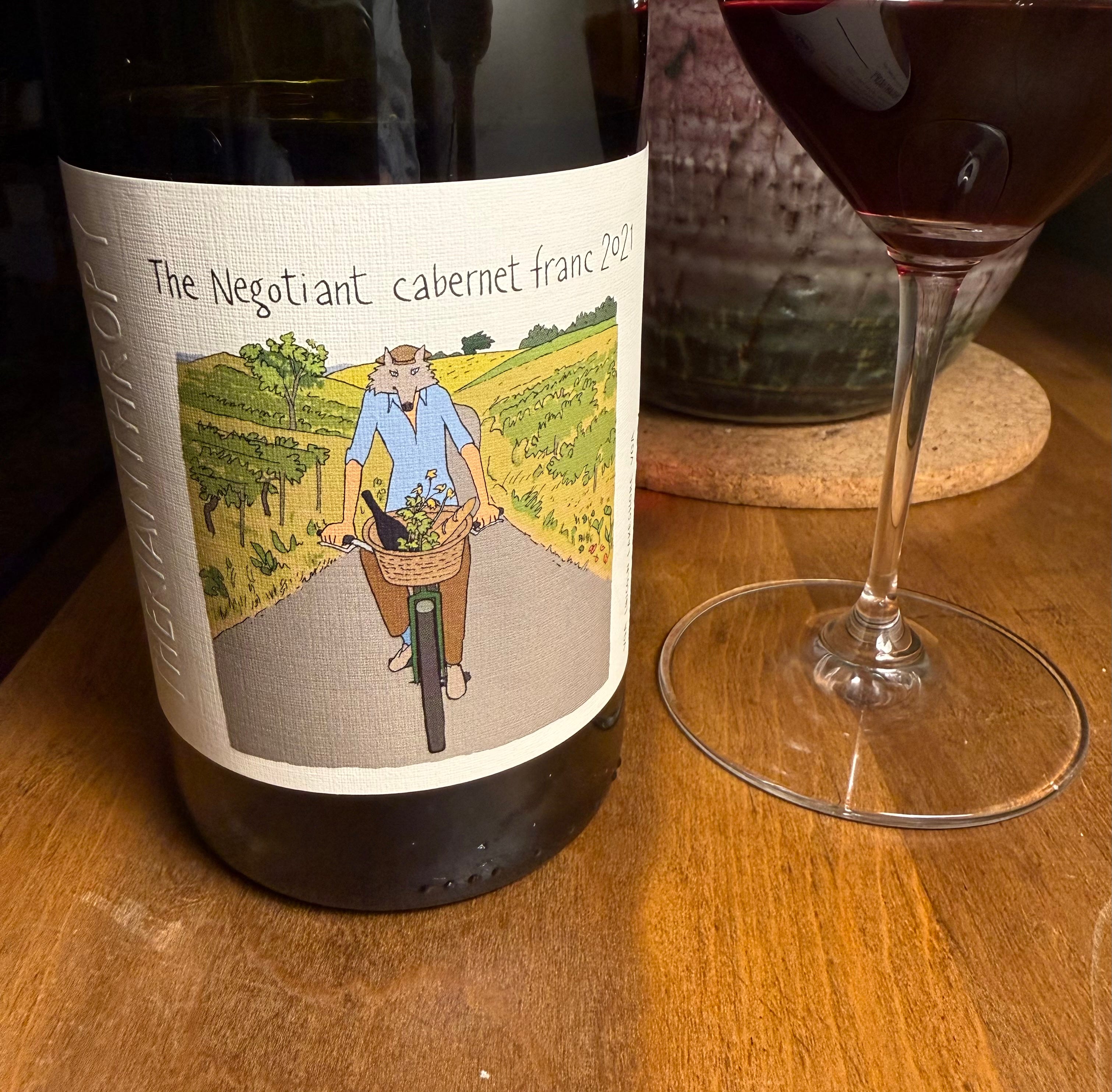
Therianthropy Wines, 2021 “The Negotiant” Cabernet Franc, Grimsby Hillside Vineyard, VQA Lincoln Lakeshore, Niagara Peninsula, Ontario, Canada (12.5% abv., SRP $33CAD): Therianthropy is a boutique, low-intervention winery founded by David Eiberg and his wife, Anastasia Phillips, in 2018. Cabernet Franc has been an important part of their portfolio since day one, and The Negotiant is their flagship bottling and is always sourced from a single-vineyard site. It has been about a year and a half since I tasted the 2021, and I was really pleased to see how this wine is starting to settle into a groove. When I last tasted it, it was a little reductive and closed on opening, but now it is singing right out of the bottle. Lifted, perfumed, very floral (violets, rose, lilac) and loaded with bright red fruits (cran-blueberry juice, pomegranate) and soft earth/herbal notes (fir, mint, basil). The palate is true to the nose with added spice (white and black pepper), cleansing acidity and soft, velvety tannins that finish with a slight chalky tug. Medium-bodied and finely structured, with a long, savoury, minty finish. 2021 was a cool, wet vintage in Ontario, which required a deft hand and a sensitivity to the vintage conditions to get Cabernet Franc right. David nailed it. A Loire doppelgänger from my own backyard.
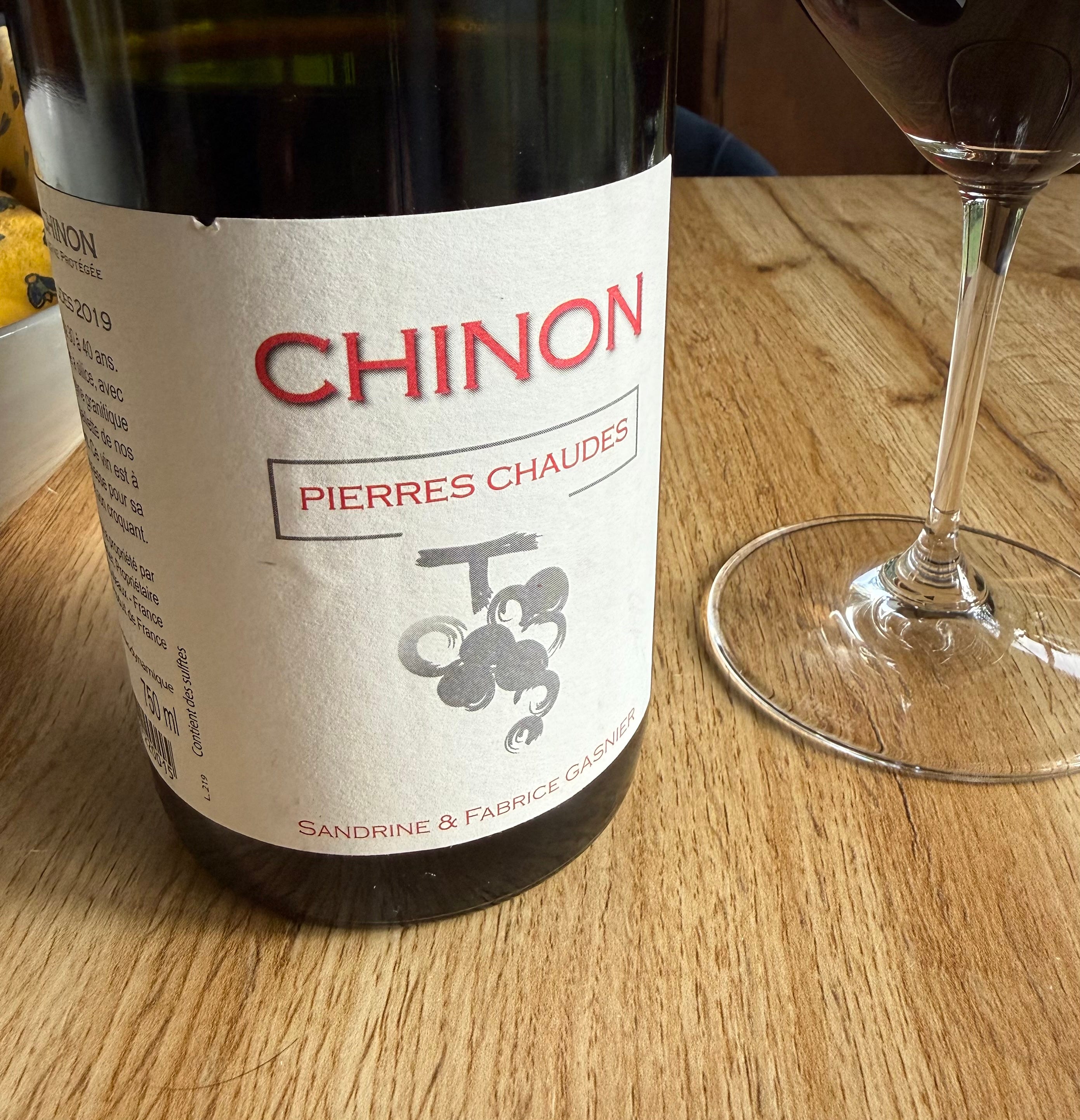
Domaine Sandrine et Fabrice Gasnier, 2019 Chinon “Pierres Chaudes” (12.5% abv., SRP 14EUR/$22USD): This is a special bottling from the estate that is available in select market; I bought this bottle at the SAQ in Québec probably over four years ago now. The term “pierres chaudes” means “warm/hot stones” and references this early-ripening, mid-slope site with stony, clayey-flint topsoil over limestone. The wine is fermented and aged in concrete. This 2019 is in an exquisite place at the moment. Fresh but ripe, the nose beautifully balances fruit, herbal/florals and spice: dark fruit (black raspberry, cassis, wild blueberry compote) meets a heady, floral perfume (lavender and lilac), twiggy herbs (rosemary, bay leaf, mint stem) and alluring spice (cardamom, black pepper). The palate is concentrated, full and gourmand, with finely woven, silky tannins and vibrant, salivating acidity that gives length and drinkability. What really makes this wine stand out is its refinement, which I suspect is a combination of thoughtful winemaking, superb terroir and time in the bottle. While I haven’t tried other vintages of this cuvée, I wouldn’t hesitate to pick it up if I saw it out in the wild.
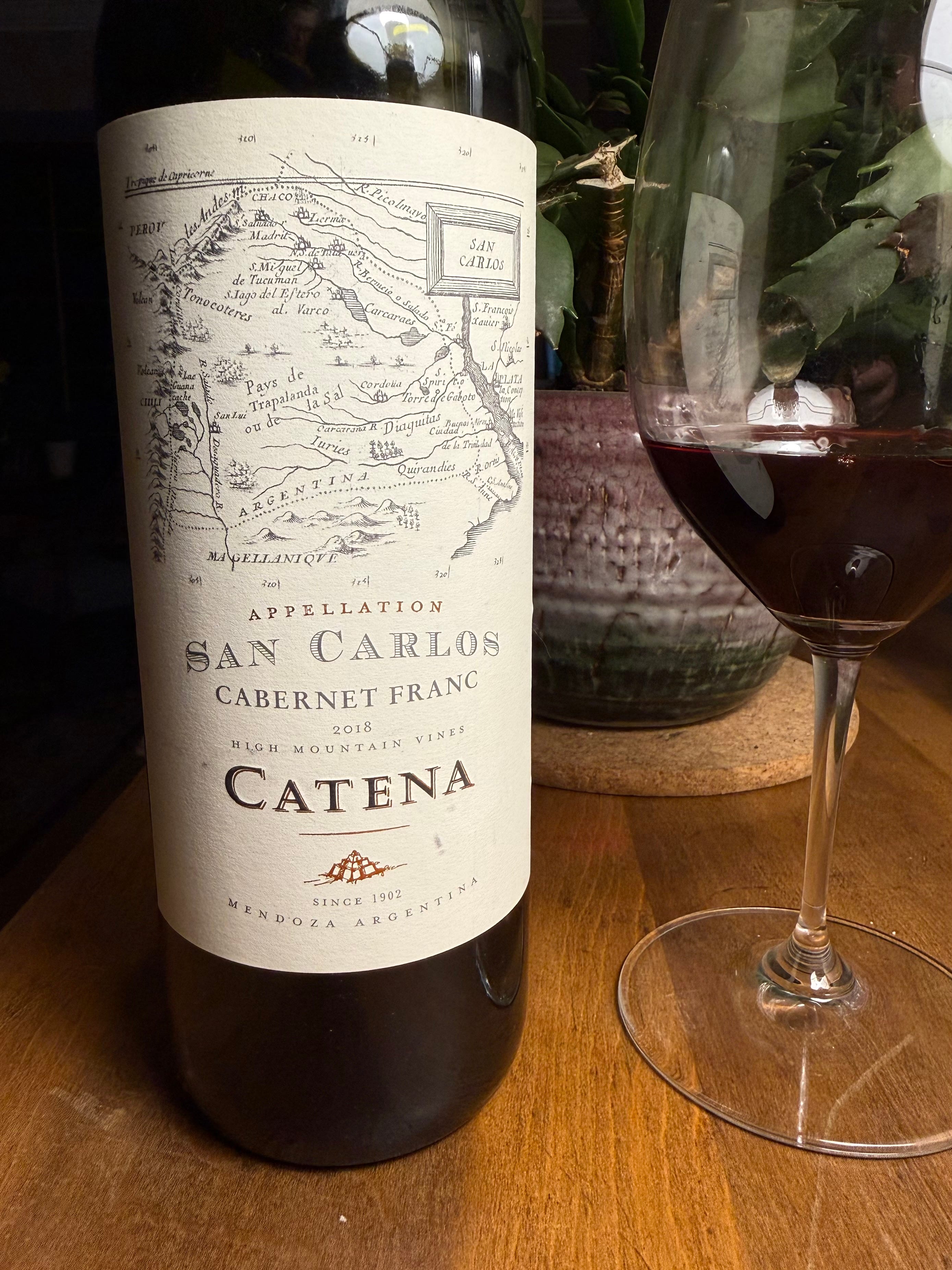
Catena Zapata, 2018 “San Carlos” Cabernet Franc, San Carlos, Uco Valley, Mendoza, Argentina (13.5% abv., SRP $22USD): I bought this wine in early 2021, and it was the very first Argentinian Cabernet Franc that I featured when Cab Franc Chronicles was in its infancy. I haven’t had much experience with “older” Argentinian Cabernet Franc, so I am glad I tucked this away for more than five years to see how it might evolve. Suffice it to say I was quite pleased with how this wine is showing at the moment. The nose leans more fruit-driven than earthy with plenty of ripeness and richness, but with a delicate vein of warm-climate green undertones — dried bay leaf, dried basil, oregano, hoja santa — aromas I’ve come to love in Cabernet Francs from this part of the world. Not overtly peppery or spicy. The oak has integrated nicely, and tertiary layers of Mexican hot chocolate, tobacco and ash have developed over time. Soft but refreshing acidity, coupled with smooth, supple, perfectly managed tannins, makes for a generous, complete, polished Cabernet Franc in a rather classic “international” style. For a ~$20 bottle, it has held up well and shows no signs of fading. This 2018 does feel a little riper — not in alcohol, but a lower concentration of pyrazines — than some more recent vintages I’ve had of this cuvée. While there could be vintage nuances at play, based on my tastings of Argentinian Cabernet Franc, I would say this is an evolution of the style of this bottling towards a more confident, characterful expression of the variety, rather than a wine trying to be a “generic” red alternative to Malbec.
Thank you, as always, for reading — your time and attention mean the world to me. I have a lot that I’m working on for October, including a new 5 Minutes with… interview featuring Domaine des Roches Neuves, details on the in-depth lieux-dits project underway in the Chinon appellation, my Loire Vintage Guide, and much more. Be sure to subscribe to get notified when a new article is published. Thank you for being here and for all your continued support.
*Sample provided by the winery